- AI Elevated CVAI powered resumeAI resume builderATS friendly resumecareer growthcareer successdigital resume creationhiring process 2026job application tipsjob search strategymodern CV formatmodern resumeprofessional developmentprofessional resume designresume improvementresume optimizationresume transformationresume upgraderesume writing tipssmart resume builder
The Modern Resume: Clear, Focused, and Built for Today’s Hiring Process
Introduction:
The job market has changed significantly over the last few years. Hiring is faster, more technology-driven, and highly competitive. Today, your resume is not just a summary of your work history. It is your professional introduction, personal brand, and career marketing document.
Modern recruiters and hiring managers no longer spend minutes reviewing resumes. In most cases, they scan applications within seconds while automated systems evaluate candidates before a human even opens the file. Because of this shift, professionals must adopt a modern resume approach that is clear, focused, and optimized for today’s hiring process.
A well-structured modern resume helps candidates stand out, pass ATS filters, and communicate value instantly.
Why the Resume Has Evolved
Traditional resumes were often lengthy documents filled with responsibilities and detailed descriptions. While this approach worked in the past, modern hiring demands efficiency and clarity.
Today’s recruitment environment is shaped by several factors:
Companies receive hundreds of applications per position
Remote hiring has increased global competition
AI and ATS systems screen resumes automatically
Recruiters prioritize measurable impact over job duties
Skills and adaptability matter more than tenure
Because of these changes, resumes must now focus on results, relevance, and readability.
Simply listing your past roles is no longer enough employers want to understand how you contribute to business success.
What Is a Modern Resume?
A modern resume is designed to communicate professional value quickly while remaining compatible with hiring technology.
It combines clean design, strategic content, and keyword optimization to improve visibility during the hiring process.
Key Features of a Modern Resume
A strong modern resume typically includes:
Clear professional summary
ATS-friendly formatting
Role-specific keywords
Achievement-based experience
Structured skills section
Simple and clean layout
Easy scanning for recruiters
Instead of overwhelming readers, a modern resume guides them toward your strengths immediately.
Understanding ATS: The First Resume Reviewer
One of the most important aspects of modern hiring is the Applicant Tracking System (ATS). Many companies use ATS software to filter candidates before recruiters review applications.
These systems scan resumes and rank candidates based on relevance.
ATS Usually Checks:
Skills matching job descriptions
Keywords and industry terms
Job titles and experience
Resume formatting structure
Education and certifications
If your resume is not optimized, it may never reach a recruiter, even if you are qualified.
ATS Optimization Best Practices
To improve visibility, your resume should:
Use standard section headings like Experience and Skills
Avoid complex graphics or tables
Include keywords from job postings
Use professional fonts
Maintain simple formatting
Keep content structured and readable
The goal is to create a resume that works well for both machines and humans.
The Ideal Structure of a Modern Resume
A clear structure helps recruiters quickly understand your profile. Modern resumes typically follow a logical flow.
1. Professional Summary
Your professional summary acts as your elevator pitch. It should briefly explain who you are, what you specialize in, and the value you bring.
For example:
A results-driven software professional with experience in building scalable applications and AI-powered digital solutions. Skilled in modern technologies, problem-solving, and delivering high-impact business outcomes.
A strong summary immediately captures attention.
2. Core Skills Section
Recruiters often review skills before reading experience details. This section improves both ATS ranking and human readability.
Common skill categories include:
Technical skills
Industry tools
Software platforms
Communication abilities
Leadership capabilities
Problem-solving skills
Example skills list:
Web Development (Laravel, React, Node.js)
AI Integration & Automation
Cloud Platforms (AWS, Azure)
API Development
Agile Project Management
Database Management
A focused skills section increases interview opportunities.
3. Experience Focused on Achievements
Modern resumes prioritize achievements rather than responsibilities.
Instead of describing daily tasks, highlight measurable results.
Traditional Approach
Responsible for managing development projects.
Modern Approach
Led development of a digital platform serving 15,000+ users, improving operational efficiency by 40%.
Strong achievement examples may include:
Increased revenue or conversions
Reduced operational costs
Improved system performance
Delivered successful product launches
Enhanced customer experience
Numbers make your impact more credible.
4. Education and Certifications
Education remains important but should remain concise.
Include:
Continuous learning shows adaptability a key trait valued by employers today.
Personal Branding in Modern Resumes
A resume today represents more than qualifications; it reflects your professional identity.
Modern candidates often include:
Consistency between your resume and online presence builds trust with recruiters.
Your resume should tell the same professional story across all platforms.
Customization: A Critical Success Factor
Sending the same resume to every employer is one of the biggest mistakes job seekers make.
Modern hiring requires targeted applications.
Elements You Should Customize
Professional summary
Skills emphasis
Keywords
Relevant achievements
Role-specific experience
Even small adjustments can dramatically improve ATS rankings and recruiter interest.
Customization shows employers that you understand their needs.
Simplicity Wins in Modern Resume Design
Many candidates assume visually complex resumes perform better. In reality, simplicity works best.
Modern resumes prioritize readability through:
Clear headings
Bullet points
Adequate white space
Short paragraphs
Logical content flow
Recruiters should quickly find important information without effort.
A clean resume signals professionalism and clarity of thought.
Skills-Based Hiring Is Growing
Organizations increasingly hire based on skills rather than traditional career paths.
This shift benefits professionals who:
Transition careers
Work in startups
Freelance or consult
Learn new technologies
Adapt quickly to change
Important modern workplace skills include:
Analytical thinking
Communication
Digital literacy
Collaboration
AI awareness
Problem-solving ability
Highlighting transferable skills strengthens your resume significantly.
The Role of AI in Resume Creation
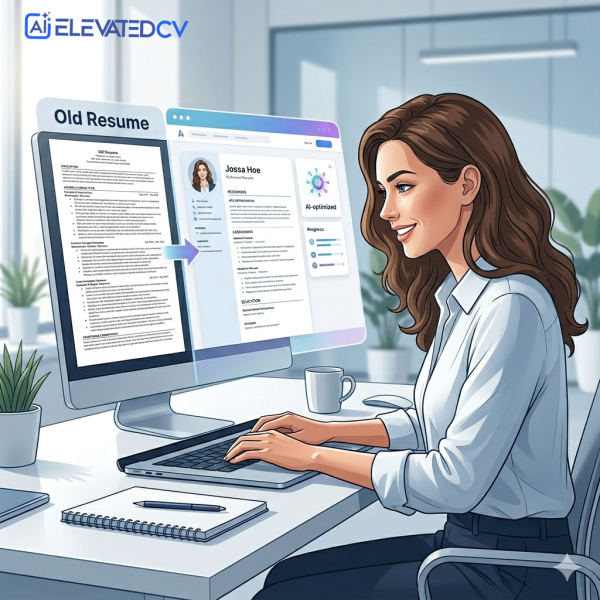
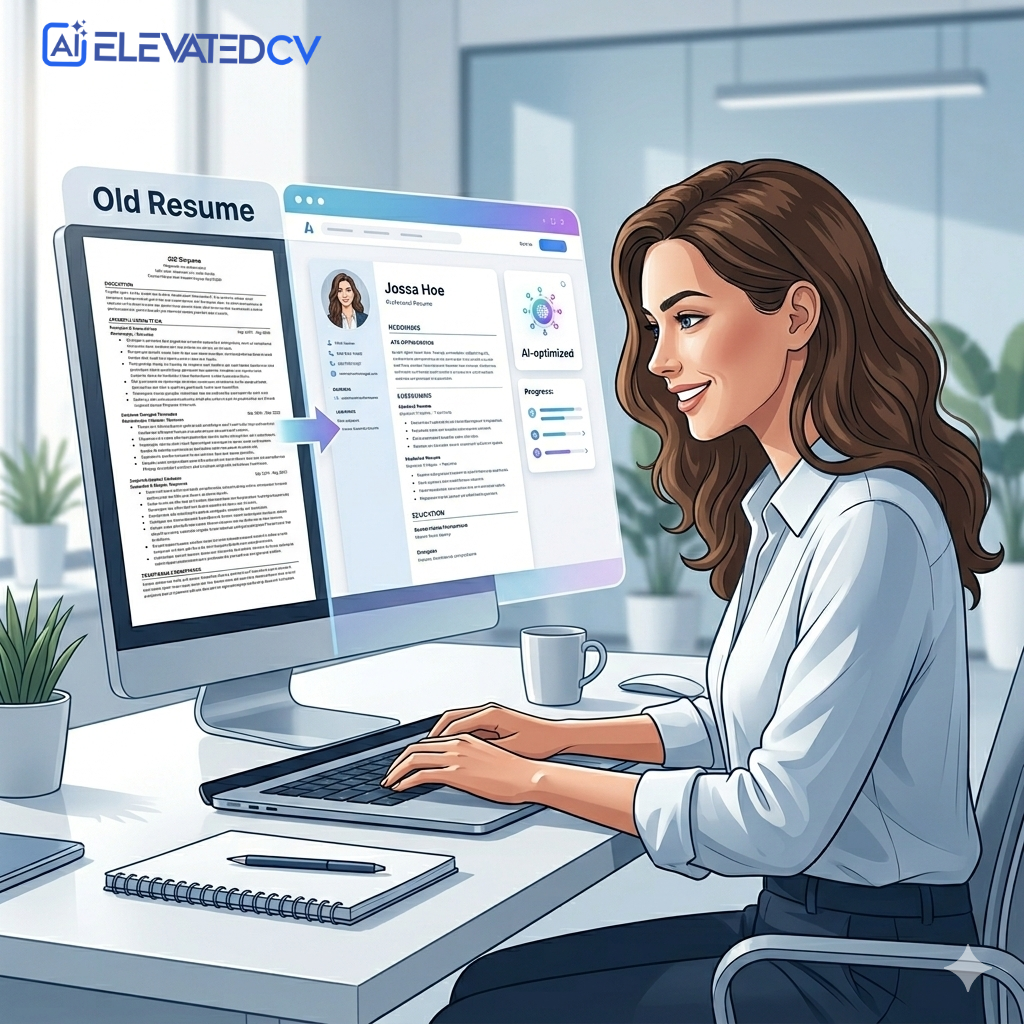
Artificial Intelligence is reshaping how resumes are created and evaluated. AI-powered tools help candidates align resumes with real hiring expectations.
Modern AI resume platforms can:
Suggest job-specific keywords
Improve professional language
Optimize bullet points
Create ATS-friendly formatting
Generate cover letters
Enhance resume clarity
Tools like AI Elevated CV (https://aielevatedcv.ai/) help job seekers create modern, optimized resumes quickly by combining AI insights with professional resume standards. Instead of guessing what recruiters want, candidates can build resumes aligned with today’s hiring systems.
AI helps professionals present their experience more effectively and confidently.
Common Resume Mistakes to Avoid
Even strong candidates lose opportunities due to simple errors.
Avoid These Common Issues
Writing long paragraphs
Using outdated resume formats
Adding irrelevant experience
Missing important keywords
Overdesigning resumes
Including unnecessary personal details
Lack of measurable achievements
A modern resume removes clutter and focuses only on value.
When Should You Update Your Resume?
Your resume should evolve alongside your career.
Update it whenever you:
Keeping your resume updated ensures you are always ready for new opportunities.
The Modern Resume as a Career Growth Tool
A resume is no longer used only during job searches. It also helps professionals understand their career progress.
Maintaining a modern resume allows you to:
Your resume becomes a roadmap of professional growth.
Final Thoughts
The modern hiring process demands resumes that are clear, strategic, and technology-ready. Employers want candidates who communicate value quickly and effectively.
A modern resume should:
In today’s competitive job market, a well-crafted resume can make the difference between being overlooked and getting shortlisted.
Your resume should not simply describe your past — it should position you for future opportunities.
If you want to build an ATS-friendly, professionally optimized resume quickly, you can explore AI Elevated CV and experience how AI-powered resume creation simplifies the modern hiring journey.
👉 https://aielevatedcv.ai/
FAQ
As hiring processes continue to evolve with technology and AI-driven recruitment systems, many job seekers have common questions about how modern resumes work and how they can improve their chances of getting shortlisted. Below are some frequently asked questions that help clarify what employers expect from a modern resume and how candidates can stay competitive in today’s job market.