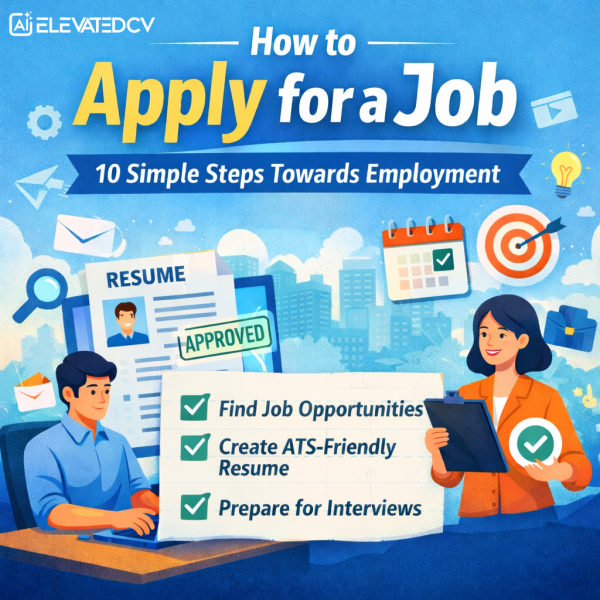
In today’s competitive job market, applying for a job is no longer as simple as sending a resume and waiting for a reply. Employers receive hundreds, sometimes thousands, of applications for a single position. To stand out, candidates need a clear strategy, a well-structured resume, and an understanding of how modern hiring systems work.
Whether you are a fresh graduate, an experienced professional, or someone looking to switch careers, knowing how to apply for a job properly can significantly increase your chances of getting hired. Many companies now use Applicant Tracking Systems (ATS) and automated screening tools before a recruiter even sees your resume. This means your application must be optimized, professional, and tailored for each opportunity.
The good news is that the job application process can be simplified when you follow a structured approach. By understanding the key steps involved, you can apply confidently and improve your chances of securing interviews.
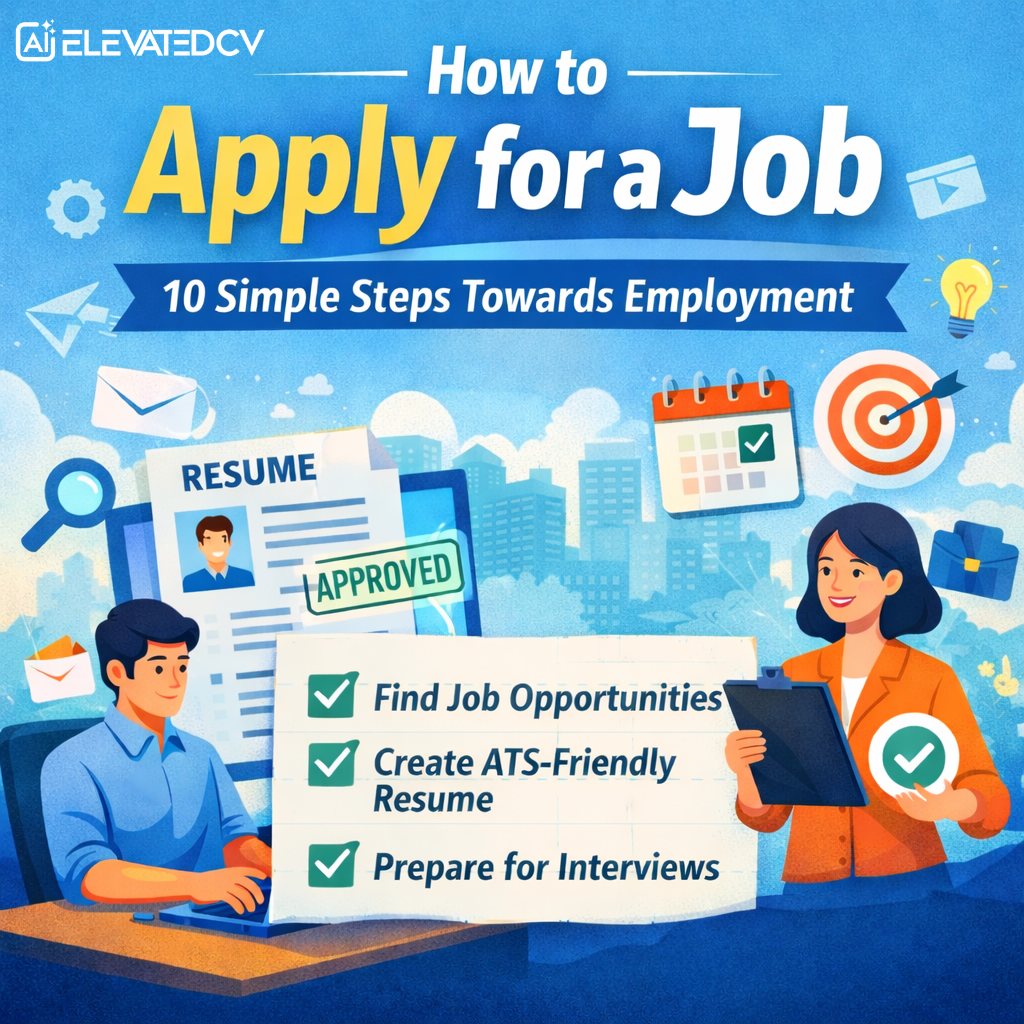
This guide will walk you through 10 simple steps that can help you move closer to your next job opportunity.
The first step in applying for a job is identifying roles that align with your skills, experience, and career goals. Many job seekers make the mistake of applying to every job they see online, hoping that something will work out. However, random applications rarely lead to successful outcomes.
Instead, it is important to target positions where your expertise matches the job requirements. Employers prefer candidates who demonstrate relevant experience and skills that directly contribute to the role they are hiring for.
When searching for jobs, focus on platforms where recruiters actively post opportunities. Some of the most effective job search channels include professional networking platforms, job boards, company career pages, and recruitment agencies.
You should also search using role-specific keywords to find more relevant opportunities. For example:
Laravel Developer Jobs
React Developer Remote Jobs
AI Engineer Jobs
Full-Stack Developer Opportunities
Product Manager Positions
Using targeted searches helps filter out irrelevant listings and increases your chances of finding positions that truly match your expertise.
Before submitting an application, it is essential to research the company you are applying to. Understanding the organization gives you valuable insights into their culture, goals, and expectations.
Recruiters appreciate candidates who show genuine interest in the company rather than those who apply blindly. Researching the company also allows you to tailor your resume and cover letter to reflect how your experience aligns with their business needs.
Start by visiting the company’s website and reviewing their services, products, and mission. Look for information about their industry presence and recent achievements. Reading recent news articles or company announcements can also provide context about their growth and direction.
By taking the time to understand the organization, you can present yourself as a candidate who is not only qualified but also genuinely interested in contributing to the company’s success.
A job description contains critical information about what employers expect from candidates. Many job seekers skim through it quickly, but a detailed review can reveal important details that help you tailor your application.
The job description typically outlines responsibilities, required skills, preferred qualifications, and the tools or technologies you are expected to use. Understanding these requirements allows you to align your resume with the employer’s expectations.
Pay special attention to keywords used in the job description. These keywords often play an important role in ATS filtering systems. Including them naturally in your resume can increase the likelihood of passing the initial screening.
For example, if a job description highlights technologies such as Laravel, REST APIs, MySQL, and cloud deployment, your resume should clearly showcase your experience working with those tools.
Your resume is the most important document in your job application. It serves as your first impression and determines whether recruiters will consider you for an interview.
However, many companies use Applicant Tracking Systems to automatically screen resumes before they reach a hiring manager. If your resume is not structured correctly, it may be rejected even if you have the required skills.
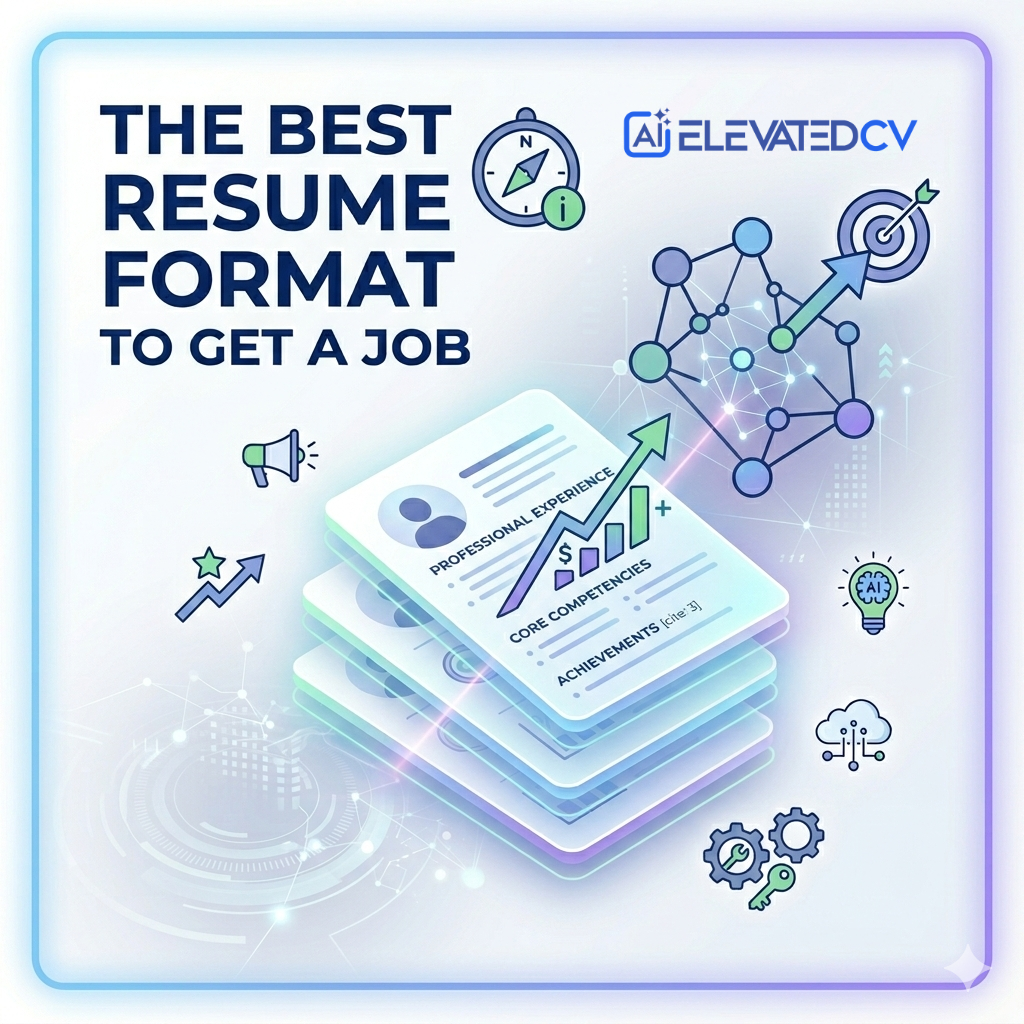
An effective resume should include clear sections and highlight your achievements rather than simply listing responsibilities. A professional resume typically includes the following sections:
Professional summary
Skills and competencies
Work experience
Education
Certifications or achievements
A well-written professional summary can immediately capture the recruiter’s attention. For example, an experienced developer might write:
“Full-stack developer with over seven years of experience building scalable SaaS applications using Laravel, React, and cloud technologies. Skilled in designing efficient APIs, improving system performance, and delivering high-quality software solutions.”
This type of introduction clearly communicates expertise and value to the employer.
Creating a strong resume manually can take several hours, especially when you are applying to multiple positions. Modern job seekers are increasingly using AI-powered tools to simplify this process and improve resume quality.
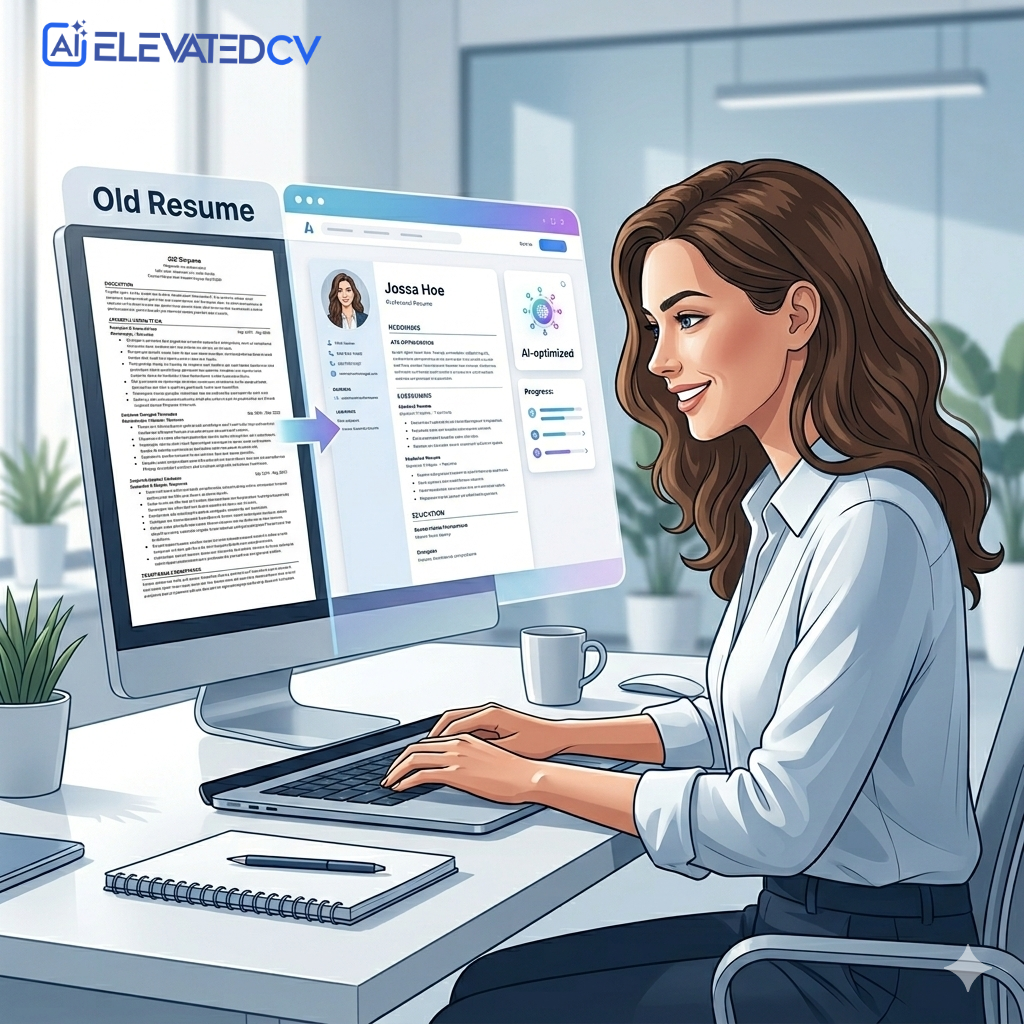
AI resume builders help candidates generate structured and optimized resumes quickly. Instead of struggling with formatting and wording, AI tools assist in creating content that highlights your strengths effectively.
With platforms like AI Elevated CV, job seekers can build professional resumes within minutes. The system uses intelligent suggestions to help users structure their resume, include role-specific keywords, and improve clarity.
Some of the benefits of using AI tools for resume creation include:
Faster resume generation
Improved formatting and structure
Keyword optimization for ATS systems
Automatic cover letter creation
AI-based writing suggestions
These tools help candidates focus on presenting their experience clearly while saving valuable time during the job search process.
While not every employer requires a cover letter, including one can strengthen your application. A well-written cover letter provides an opportunity to explain why you are interested in the role and how your experience makes you a strong candidate.
The cover letter should complement your resume rather than repeat it. It should highlight your enthusiasm for the position and explain how your skills can contribute to the organization.
A strong cover letter generally includes three sections: an introduction, a body paragraph describing your experience, and a closing statement expressing your interest in the role.
Keeping the tone professional and concise helps ensure that recruiters quickly understand your motivation and qualifications.
LinkedIn has become one of the most important platforms for job seekers and recruiters. Many companies actively search LinkedIn for potential candidates before posting job openings publicly.
A well-optimized LinkedIn profile increases your chances of being discovered by recruiters. Your profile should clearly highlight your professional expertise, achievements, and technical skills.
Your LinkedIn profile should include:
A professional headline describing your role
A clear summary explaining your expertise
Detailed experience and achievements
Skills related to your industry
Portfolio or project links
For example, instead of simply writing “Software Developer,” a stronger headline might be:
“Full-Stack Developer | Laravel | React | SaaS Platforms | API Development”
This type of headline improves visibility in recruiter searches and communicates your expertise more effectively.
Successful job seekers often use multiple channels to apply for opportunities. Relying on a single platform can limit your exposure to potential roles.
Applying through different channels increases your chances of being noticed by recruiters. Some of the most effective channels include:
Job portals and career websites
Company career pages
LinkedIn networking
Recruitment agencies
Employee referrals
Referrals are particularly valuable because they provide credibility. Candidates recommended by employees often receive faster responses from recruiters.
Building a professional network can also help uncover opportunities that are not publicly advertised.
When applying for multiple jobs, it is easy to lose track of where you have submitted applications. Keeping a record helps you stay organized and follow up with recruiters when necessary.
Many candidates use spreadsheets or job-tracking tools to monitor their applications. Tracking your applications can include details such as:
Company name
Job title
Date of application
Application status
Follow-up reminders
This approach helps you maintain a structured job search process and prevents missed opportunities.
Once your application is shortlisted, the next step is preparing for the interview. Interview preparation is essential because it allows you to confidently present your skills and experience.
Start by reviewing the job description again and identifying the key skills the employer is looking for. Prepare examples from your previous work that demonstrate your ability to solve problems and deliver results.
Common interview questions often focus on your experience, strengths, and problem-solving abilities. Technical roles may also involve coding assessments or system design discussions.
Practicing your responses and researching the company beforehand can significantly improve your confidence during the interview process.
Technology is rapidly changing the way candidates apply for jobs. Artificial intelligence is now playing a major role in resume writing, job matching, and career guidance.
AI tools help candidates optimize their applications and present their skills more effectively. Instead of spending hours formatting resumes or writing cover letters, job seekers can now rely on AI assistance to streamline the process.
Platforms like AI Elevated CV are designed to simplify resume creation and improve job application success rates. By combining intelligent suggestions with user-friendly design, these tools allow candidates to generate professional resumes quickly.
As hiring processes continue to evolve, candidates who leverage AI tools will have a competitive advantage in the job market.
Applying for a job successfully requires more than simply sending out resumes. A structured approach that includes research, resume optimization, networking, and interview preparation can significantly improve your chances of success.
By following these ten steps, you can build a stronger job application strategy and increase your visibility to recruiters.
The key is consistency and preparation. Each application should be tailored to the role, and your resume should clearly highlight the value you bring to an organization.
For candidates who want to simplify the process, AI tools can help streamline resume creation and improve application quality.
If you want to create a professional, ATS-optimized resume quickly, AI Elevated CV provides a simple and effective solution that helps you build a strong resume in minutes and move one step closer to your next career opportunity.
Applying for a job can raise many questions, especially for candidates entering a competitive job market or switching careers. Understanding the right process, resume strategies, and tools can help job seekers apply more effectively and increase their chances of getting interviews. Below are some frequently asked questions that can help guide you through the job application process.
The best way to apply for a job is by carefully reading the job description and tailoring your resume to match the required skills and experience. Employers prefer applications that clearly demonstrate how a candidate’s abilities align with the role. A professional resume, a personalized cover letter, and a well-optimized LinkedIn profile can significantly improve your chances of getting noticed by recruiters. Using modern tools like AI-powered resume builders can also help create ATS-friendly resumes quickly.
To make your resume stand out, focus on achievements rather than just listing responsibilities. Use clear formatting, relevant keywords from the job description, and concise bullet points to highlight your skills and accomplishments. Recruiters also prefer resumes that demonstrate measurable impact, such as improving performance, increasing efficiency, or delivering successful projects. Creating an ATS-friendly resume using tools like AI Elevated CV can also improve visibility in automated screening systems.
An ATS-friendly resume is a resume designed to pass through Applicant Tracking Systems used by many companies to screen job applications. These systems scan resumes for keywords, structure, and formatting before a recruiter reviews them. To make your resume ATS-friendly, include relevant job keywords, use clear headings, avoid complex graphics, and maintain a simple professional layout. This ensures your resume is properly recognized by automated systems.
The number of jobs you apply for depends on the quality of your applications. Instead of sending many generic applications, it is better to focus on submitting a few well-prepared applications daily. Many career experts recommend applying to 5–10 relevant jobs per day while tailoring your resume and cover letter for each position. This targeted approach improves the chances of getting responses from recruiters.
Yes, artificial intelligence is becoming an important tool in modern job searching. AI-powered platforms can help generate professional resumes, optimize keywords for ATS systems, and create personalized cover letters. Tools like AI Elevated CV allow job seekers to build structured resumes in minutes by using intelligent suggestions and formatting assistance. This helps candidates save time while ensuring their resume meets modern hiring standards.
Create your elevated CV, cover letter(s) and recommendation in minutes with AI assistance.
© 2026 AI ELEVATED CV WIZARD. All rights reserved.
Create your elevated CV, cover letter(s) and recommendation in minutes with AI assistance.
© 2026 AI ELEVATED CV WIZARD. All rights reserved.