- AI resume builderATS friendly resumeBest Resume FormatCareer Advicecareer growthHiring Trends 2026job application tipsjob search strategyModern Resume Designprofessional resumeResume AchievementsResume Formatting GuideResume Keywordsresume optimizationresume writing tips
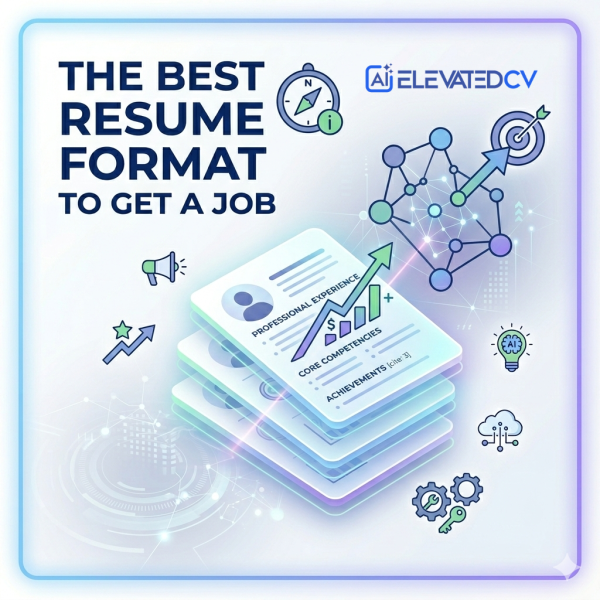
The Best Resume Format to Get a Job: The Definitive Guide for 2026
Introduction:
In an era where artificial intelligence filters thousands of applications before a human eye ever sees them, the “best” resume format isn’t just about aesthetics. It’s about strategic engineering. Whether you are a marketing manager, a retail executive, or a career changer, the way you structure your story determines whether you land the interview or end up in the digital “black hole.”
This guide breaks down the high-impact resume formats winning in 2026, how to optimize for Applicant Tracking Systems (ATS), and why a data-driven approach is the only way to stand out in a competitive global market.
1. Why Your Resume Format Is Your Most Important Career Asset
Your resume is more than a list of past roles; it is a marketing document. Recruiting data shows that hiring managers spend an average of 6 to 7 seconds on an initial screen. If they cannot find your core strengths, most recent role, and contact information within those seconds, the layout has failed you.
Furthermore, roughly 75% of resumes are rejected by ATS software before a human even sees them. A “pretty” resume designed in a graphic tool might look great to you, but if the software can’t parse the text, you remain invisible.
2. The Three Heavy Hitters: Which One Should You Use?
There is no “one size fits all” in career branding. The right choice depends on your experience level and career goals.
A. The Reverse-Chronological Format (The Gold Standard)
This is the most widely recognized and ATS-friendly format. It lists your work history starting with your current or most recent position and works backward.
Best For: Professionals with a steady career path and no major gaps.
Why it works: It highlights career progression and provides the “proof of performance” recruiters crave.
SEO Tip: Use clear headings like “Professional Experience” rather than creative terms like “My Journey.”
B. The Functional (Skills-Based) Format
This format de-emphasizes dates and job titles, focusing instead on categorized skill sets (e.g., “Project Coordination,” “Client Relations”).
Best For: Career changers, those returning to the workforce, or people with significant employment gaps.
The Risk: Many recruiters find this format frustrating because it hides the context of where and when you used those skills. Use this with caution.
C. The Hybrid (Combination) Format
This format is the “best of both worlds.” It begins with a robust skills summary or “Core Competencies” section, followed by a detailed reverse-chronological work history.
3. The Anatomy of a High-Conversion Resume
To rank high in internal recruiter databases, your resume must include these key sections:
The Header: Modern and Minimalist
Include your name, professional title, phone number, email, and LinkedIn URL.
Pro Tip: In 2026, including a link to a verified digital profile or a professional portfolio is a major advantage.
The Professional Summary (Not an Objective)
The “Objective” statement is outdated. Hiring managers want to know what you can do for them. Write a 3-line summary that packs a punch.
Core Competencies / Skills Cloud
This is where you load your SEO keywords. List hard skills, software proficiencies, and industry-specific certifications. This section helps the ATS identify you as a match for the job description.
Professional Experience: Focus on Impact
Stop listing duties. Start listing achievements.
Weak: “Responsible for managing the sales team and hitting targets.”
Strong: “Led a sales team of 12 to exceed annual revenue targets by $1.5M, resulting in the highest regional growth in company history.”
4. Master the ATS: The Invisible Gatekeeper
To ensure your resume gets past the bots, follow these “Zero-Failure” rules:
Standard Fonts Only: Use Arial, Calibri, or Roboto. Avoid complex scripts that machines cannot read.
No Graphics in the Body: Keep icons and charts to a minimum. If you use them, ensure the critical data is also available in plain text.
Keyword Matching: Analyze the job description. If the posting says “Strategic Planning,” do not just write “Growth Strategy.” Use the exact terminology found in the ad.
File Type: Unless specified otherwise, PDF is the gold standard for preserving layout, but ensure it is a “searchable” PDF, not a flat image file.
5. Leveraging Psychology: Why Visual Hierarchy Matters
While the ATS is your first hurdle, the human recruiter is your final boss. Heatmap studies show that recruiters focus heavily on the top and left side of the page an “F-Pattern” of reading.
The Power of Whitespace
A cluttered resume signals a cluttered mind. By maintaining generous margins and clear spacing between sections, you allow the reader’s brain to “breathe.” In a minimalist design, a single bolded metric stands out far more than it would in a dense paragraph.
The “Top-Fold” Strategy
Just like a newspaper, your most valuable real estate is the top third of the first page. If you are a specialist in Change Management, that keyword should appear immediately. If a recruiter has to scroll to find your primary value, you’ve already lost their attention.
6. Industry-Specific Formatting Nuances
While the reverse-chronological layout is the “Gold Standard,” certain industries benefit from subtle tweaks:
Business & Management: Focus on “The Big Picture.” Your bullet points should talk about P&L responsibility, organizational restructuring, and long-term strategic growth.
Creative & Design: While you must remain ATS-friendly, your resume should reflect your aesthetic. Use subtle color accents (like deep navy) and high-quality typography. Always include a link to your digital portfolio.
Healthcare & Education: These fields often require longer “Curriculum Vitae” (CV) formats. Prioritize certifications, licenses, and specific clinical or classroom hours at the top.
7. The "Pay-Per-Use" and AI Revolution
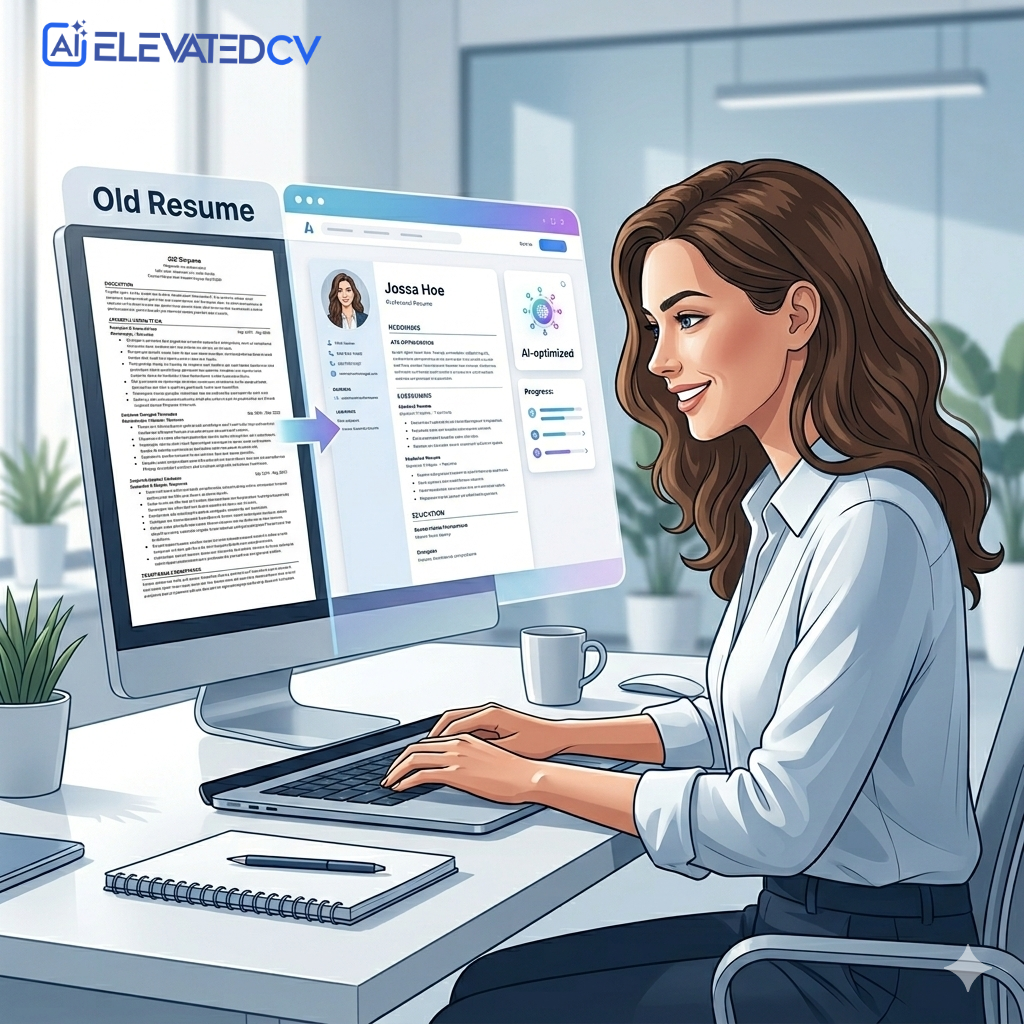
The job market is moving away from generic, “static” resumes. Today’s successful candidates are using AI-driven optimization to tailor their documents for every single application.
The future of hiring is efficiency. Modern software platforms have moved toward “pay-per-use” models to offer better value without long-term commitments. Your job search should be just as lean. Don’t spend hours tweaking margins manually; use tools that automate the formatting while you focus on the substance of your experience.
8. Common Mistakes That Kill Your Chances
The “Wall of Text”: Use white space. If a recruiter sees a page with no margins and tiny text, they will skip it.
Irrelevant Information: Your high school details or personal hobbies like “traveling” rarely belong on a professional document.
Lack of Proof: Every claim should be backed by a number, a percentage, or a dollar sign. Numbers are universal; they provide immediate scale.
The Two-Page Myth: For most, one page is preferred. If you have 10+ years of relevant experience, two pages are acceptable. Never go to three.
Formatting Checklist for Success
| Element | Best Practice |
| Margins | 0.5″ to 1″ on all sides |
| Font Size | 10-12pt for body; 14-16pt for headings |
| File Name | Name_Surname_JobTitle_Resume.pdf |
| Bullet Points | Max 6 per job; prioritize recent roles |
| White Space | At least 30% of the page should be “empty” |
10. The Role of Verification in 2026
We are entering an era of “Verified Resumes.” With the rise of AI-generated content, recruiters are becoming skeptical of “fluff.” To combat this, the best resume formats now include links to verified credentials whether it’s a LinkedIn recommendation from a supervisor or a digital badge from a certification provider. In 2026, transparency is a competitive advantage.
11. Conclusion: Your Document is a Living Organism
The biggest mistake job seekers make is treating their resume as a “set it and forget it” file. The best resume format is adaptive. It should change slightly for every role you apply for, shifting keywords and reordering bullet points to match the specific pain points of the employer.
By combining clean, minimalist design, ATS-optimized keywords, and quantifiable human impact, you create a document that doesn’t just list your history. It sells your future.
👉 https://aielevatedcv.ai/
FAQ
As hiring processes continue to evolve with technology and AI-driven recruitment systems, many job seekers have common questions about how modern resumes work and how they can improve their chances of getting shortlisted. Below are some frequently asked questions that help clarify what employers expect from a modern resume and how candidates can stay competitive in today’s job market.